

Earwax is one of those things most people only notice when it starts to bother them.
Maybe your ear feels a little full. Maybe your earbuds look waxy. Or maybe you used a cotton swab and wondered, “Why does this keep coming back?”
The short answer: earwax is supposed to be there.
It is not just dirt. It is part of the ear’s natural cleaning and protection system. The problem usually starts when earwax builds up, gets pushed deeper, or becomes harder to clear naturally.
Let’s break down how earwax forms, why some people have more of it, and what a safer at-home ear care routine can look like.
What Is Earwax?
Earwax, also called cerumen, is a natural substance made inside the ear canal.
It is created by glands in the outer part of the ear canal and mixes with dead skin cells, tiny hairs, oils, and everyday dust or debris. Over time, that mixture becomes what we call earwax.
It may not sound pleasant, but earwax has a useful job. It helps keep the ear canal from getting too dry, catches small particles before they travel deeper, and supports the ear’s natural self-cleaning process.
In other words, earwax is not a sign that your ears are “dirty.” It is a sign that your ears are doing what they are built to do.
How Does Earwax Form?
Earwax forms in the outer ear canal.
Here is the simple version:
- Glands in the ear canal release natural oils and waxy secretions.
- Dead skin cells shed from the ear canal lining.
- Dust, lint, and tiny particles from daily life get trapped.
- These materials mix together and slowly move outward.
Your ears are surprisingly good at moving old wax out on their own. Normal jaw movements, like chewing and talking, help shift earwax toward the ear opening. Once it reaches the outside, it usually flakes away or gets washed off during normal bathing.
That is why many people do not need deep ear cleaning at all.

Why Do Some People Have More Earwax?
Some people naturally produce more earwax than others. It can depend on genetics, ear canal shape, age, lifestyle, and daily habits.
A few common reasons include:
Narrow or Curved Ear Canals
If your ear canal is narrow or shaped in a way that makes wax harder to move out, buildup may happen more easily.
Frequent Earbud or Earplug Use
Earbuds, earplugs, and hearing aids can block the ear opening for hours at a time. That can make it harder for wax to move outward naturally.
Overcleaning
This one surprises people. Cleaning too often can irritate the ear canal and may interfere with its normal rhythm.
Cotton Swabs
Cotton swabs can clean the outer ear, but using them deeper inside the canal may push wax inward instead of removing it. That can make the wax more compact over time.
Why Cotton Swabs Can Make Earwax Worse
Cotton swabs feel like they are cleaning the ear, but they often do the opposite.
Instead of pulling wax out, the swab can push it farther into the canal. Once wax is pressed deeper, it can become harder, denser, and more difficult to clear naturally.
That is why many ear care professionals recommend avoiding deep cleaning with cotton swabs, hairpins, or other small objects.
A good rule: clean the outer ear, but do not dig into the ear canal.
Is Earwax Bad?
Usually, no.
A small amount of earwax is normal and helpful. The goal is not to make the ear canal completely wax-free. The goal is to keep the ear comfortable and avoid habits that push wax deeper.
Earwax may become more noticeable when it builds up, feels sticky, looks dark, or collects on earbuds. That does not always mean something is wrong. But if you feel pain, drainage, bleeding, sudden hearing changes, or strong discomfort, it is best to contact a healthcare professional.
How to Care for Your Ears at Home
For everyday ear care, keep it simple.
Wash around the outer ear during your normal shower. Dry the outside gently with a towel. Avoid inserting cotton swabs or tools deep into the ear canal.
If you want a more controlled at-home routine, you can choose tools designed for gentle ear care rather than digging or scraping.
For example:
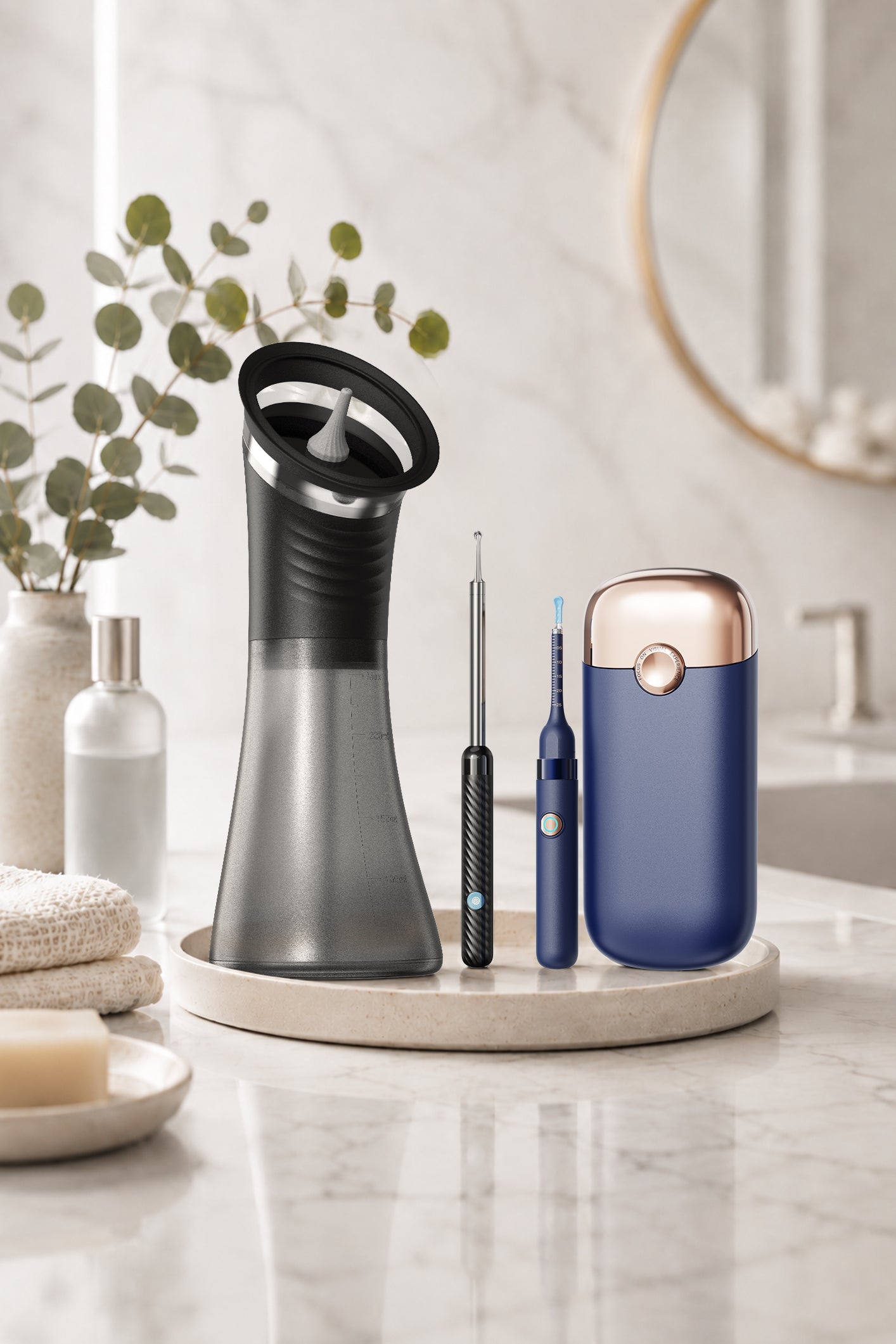
PICLEEN E80 Electric Ear Wax Removal is designed for people who prefer a water-based ear cleaning routine at home.
PICLEEN S1 Pro Visual Ear Cleaner Kit is a visual ear cleaner that lets users see more clearly while cleaning, which may feel more controlled than cleaning blindly.
Both are different from traditional cotton swabs because they are built around visibility or rinsing rather than pushing wax deeper.

When Should You Be More Careful?
At-home ear care is not the right choice for every situation.
Avoid putting water, tools, or devices into your ear if you have ear pain, bleeding, discharge, a known eardrum issue, ear tubes, recent ear surgery, or ongoing ear infections. In those cases, ask a healthcare professional first.
Also, if your ear feels blocked and nothing helps, do not keep trying to force it. Sometimes the safest next step is a professional ear exam.
The Bottom Line
Earwax forms naturally because your ears are designed to protect and clean themselves.
Most of the time, earwax is not the problem. The problem is how we try to remove it.
Cotton swabs, fingers, and small tools can push wax deeper or make cleaning less predictable. A better routine starts with understanding what earwax does and choosing a gentler, more controlled way to care for your ears.
If you are building a simple at-home ear care routine, you can explore:
PICLEEN E80 Electric Ear Wax Removal
PICLEEN S1 Pro Visual Ear Cleaner Kit
FAQ
Why does earwax form?
Earwax forms when natural secretions from glands in the ear canal mix with dead skin cells, tiny hairs, and everyday dust or debris.
Is earwax dirty?
Not exactly. Earwax is a natural part of the ear’s protection and self-cleaning system.
Why do I have so much earwax?
Some people naturally produce more earwax. Earbud use, narrow ear canals, hearing aids, and overcleaning can also make buildup more likely.
Can cotton swabs remove earwax?
Cotton swabs may clean the outer ear, but using them deeper inside the canal can push wax inward and make buildup worse.
What is a better way to clean ears at home?
For daily care, clean only the outer ear and avoid deep digging. If you want extra help, choose a gentle, controlled ear care tool and follow the product instructions carefully.
How to Clean Your Ears at Home More Safely
How to Get Rid of Bad Breath: Simple, Practical Tips