

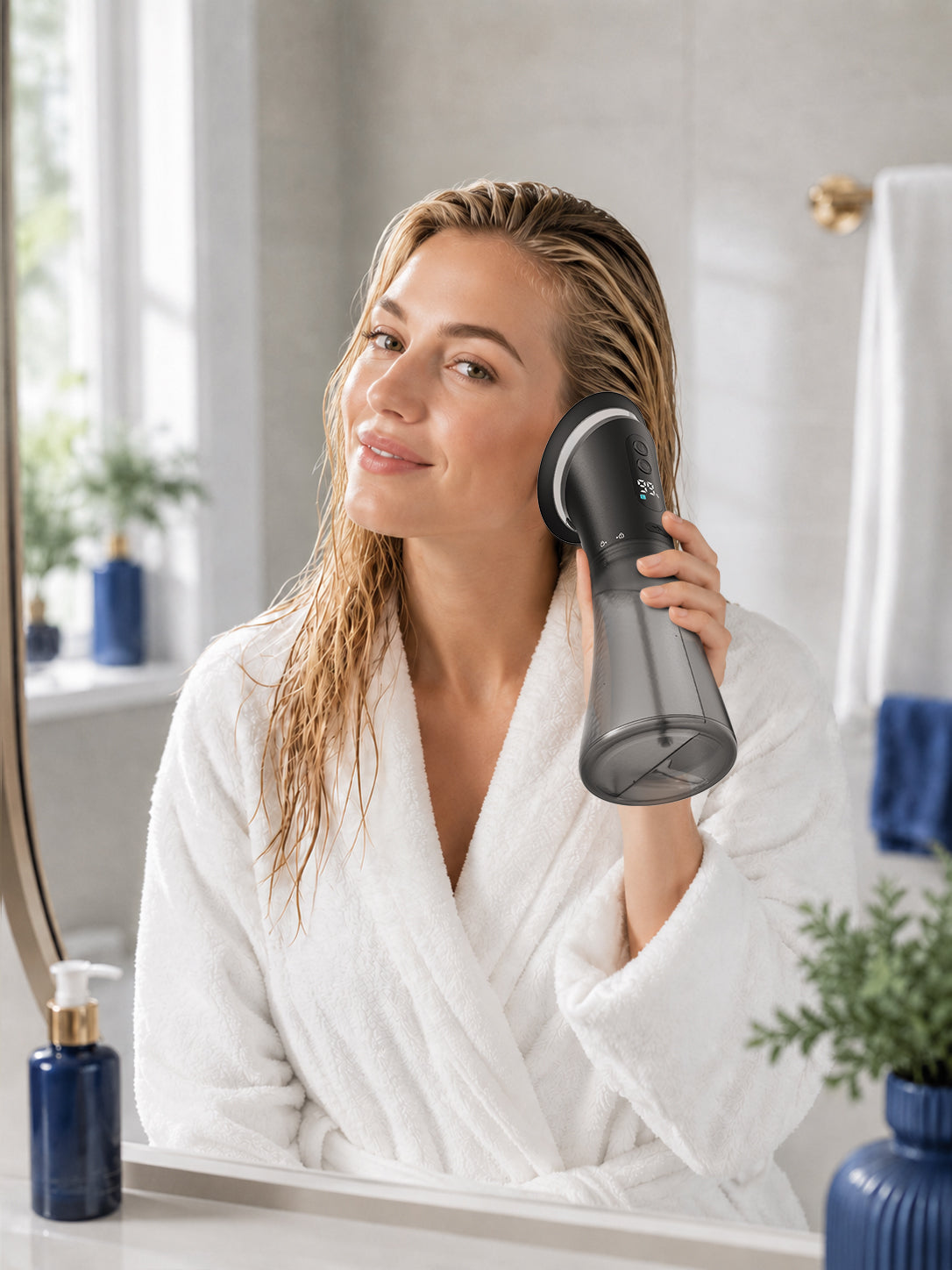
Most of us grew up using cotton swabs for ear cleaning. It feels quick, familiar, and simple.
But here is the problem: when cotton swabs go too deep, they can push earwax farther into the ear canal instead of removing it. Your ears are delicate, and earwax is not always bad. It helps protect the ear canal from dust and dryness.
So if you are wondering how to clean ears at home, the goal is not to remove every bit of wax. The goal is to clean gently, avoid digging, and build a routine that feels easy to repeat.

What to Avoid
For safer ear cleaning at home, try to avoid:
- Pushing cotton swabs deep into the ear canal
- Using sharp objects like hairpins or clips
- Cleaning aggressively when your ear feels blocked
- Ignoring pain, hearing changes, discharge, or dizziness
If you have pain, sudden hearing loss, ringing, fluid, or repeated blockage, it is better to check with a healthcare professional.
A Simple At-Home Ear Care Routine
Start with the basics.
After a shower, wipe the outer ear with a soft towel or damp cloth. Do not force anything deep into the ear canal.
If you want a more controlled routine than cotton swabs, a gentle ear wax removal tool can be helpful. The key is control. Ear cleaning should never feel painful, sharp, or forceful.
Where Picleen E80 Fits In
Picleen E80 is designed for people who want a cleaner, easier way to care for their ears at home.
Instead of digging with cotton swabs, E80 uses a water-rinse routine with soft food-grade silicone nozzles. It is made for daily ear care, not medical treatment.
Key features:
- Three water pressure modes
- Three nozzle types: 1-hole, 3-hole, and 5-hole
- Soft food-grade silicone nozzles
- Easy at-home ear cleaning routine
- A more controlled alternative to cotton swabs

If you are looking for an ear wax removal kit that feels simple and beginner-friendly, E80 gives you different nozzle options and pressure modes so you can choose what feels comfortable.
Cotton Swabs vs. Picleen E80
Cotton swabs are easy to use, but they are hard to control once they go inside the ear canal.
Picleen E80 is different. It focuses on gentle rinsing, soft nozzles, and adjustable water pressure. That makes it easier to build a steady ear care routine without relying on deep swabbing.
Think of it this way:
- Cotton swabs: quick, familiar, but easy to overuse
- Picleen E80: controlled rinse, soft nozzles, adjustable modes
Quick Safety Reminder
Do not use any ear cleaning method if you have ear pain, infection, ear tubes, a perforated eardrum, recent ear surgery, or unusual symptoms unless a healthcare professional says it is okay.
At-home care is for everyday cleaning. It is not a replacement for medical help.
Final Takeaway
The best ear cleaning routine is simple: clean the outer ear, avoid digging deep, and use gentle tools when needed.
Picleen E80 helps make ear cleaning at home feel more controlled with three water pressure modes and three soft silicone nozzle options. For everyday care, that is a much better habit than guessing with a cotton swab.
FAQ
What is the safest way to clean ears at home?
Gently wipe the outer ear with a soft towel or damp cloth. Avoid pushing cotton swabs or small objects deep into the ear canal.
Are cotton swabs bad for ear cleaning?
Cotton swabs can be used around the outer ear, but they are not ideal for deep cleaning. They may push wax farther inside.
What makes Picleen E80 different?
Picleen E80 uses a water-rinse routine, three water pressure modes, and soft food-grade silicone nozzles for a more controlled at-home ear care experience.
Is Picleen E80 a medical treatment?
No. Picleen E80 is a personal care product for daily ear cleaning routines. If you have pain, hearing loss, discharge, dizziness, or suspected blockage, see a healthcare professional.
How to Safely and Effectively Use the PICLEEN E80 Electric Ear Wax Removal Device
How Does Earwax Form? A Simple Guide to Earwax and Ear Care